42 products


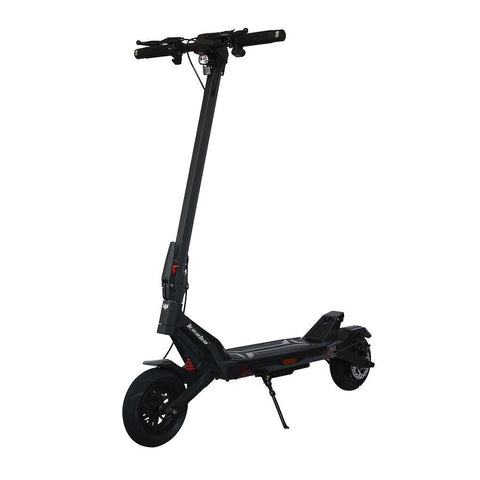




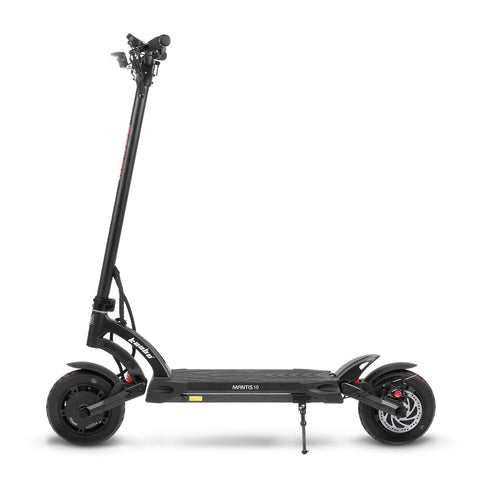





A commuter electric scooter needs to suit the journey you make most often. Start with the actual distance, the surfaces you ride over, whether you need to carry the scooter and where you can charge it. Those details will matter long after specifications such as top speed have lost their novelty. The grid below covers entry-level, everyday and sport-oriented commuter models from the brands Scooter Hut stocks.
Start with your route, and work out the range you need
Measure your one-way trip. Double it if you only charge at home. Add a buffer for detours and errands, and remember batteries lose a little capacity over time. A rough rule: buy around 1.5 times your daily round trip, so you're not riding to empty every evening.
Entry commuter models suit shorter, flatter routes. Everyday commuters cover most Australian city commutes with a bit of range to spare. Sports commuters go further and climb better, but weigh more. If your round trip pushes past what a standard commuter comfortably covers, long range electric scooters are worth the extra kilos. All manufacturer range figures are estimates measured in ideal conditions.
What reduces claimed range
Across more than 150 e-scooters we've tested, real-world range almost always lands below the number on the box. The causes are consistent.
- Hills and elevation gain, which draw more current from the battery
- Rider weight and cargo, heavier loads mean shorter range
- Stop-start riding, traffic lights and accelerating from a standstill use more energy than steady cruising
- Cold mornings, battery performance drops in low temperatures
- Tyre pressure, under-inflated tyres add rolling resistance
- Riding mode and top speed, sport mode drains the battery faster than eco
Plan for a real-world figure noticeably below the claim, and you'll rarely be caught short.
Comfort over a daily ride
Tyres, suspension and deck size do more for comfort than any other spec. Pneumatic tyres soak up bumps on Australian roads far better than solid tyres, but they need pressure checks and can puncture. Front suspension helps on rougher surfaces. Dual suspension makes a longer ride noticeably less tiring, though it adds weight and cost. Deck length and width matter more than most riders expect, because a cramped foot position becomes uncomfortable within a few kilometres. If your route includes rough footpaths or unsealed sections, electric scooters with suspension are worth the extra outlay.
Weight, if you carry or store it
Entry commuters typically sit around 12 to 16 kg. Everyday commuters run 16 to 22 kg. Sports commuters can pass 25 kg. If you're carrying it up stairs, onto a train, or into an apartment, weight matters as much as range. Folding mechanisms vary in how they hold up over time, so look for a solid latch rather than a plastic clip. Lighter usually means less range and a smaller motor. That's the trade-off. Lightweight portable electric scooters suit riders combining a scooter with public transport.
Riding in the wet, and what water resistance ratings mean
IP ratings describe how well a scooter resists water. IPX4 handles splashes from any direction. IPX5 covers low-pressure jets. IPX6 handles heavier water exposure. None of these mean safe to submerge, and none guarantee your scooter will survive a downpour. Braking distances lengthen on wet roads, and painted lines get slippery. After a wet ride, dry the deck and stem, and check exposed connections. Water damage is excluded from warranty, so treat wet-weather riding as a judgement call.
Charging at home or at work
Charge times vary with battery size and charger output. A small commuter battery may fill in an estimated 3 to 5 hours, a larger one 6 to 10 hours. Some models support dual or fast chargers, which cut times noticeably. If you live in an apartment, charge in a well-ventilated area and don't leave a scooter charging unattended overnight. A second charger at the office lets you top up during the day, and electric scooter chargers are available as spares or replacements.
Servicing, and what it costs to keep one going
A daily commuter will need service. Tyres, brake pads and grips wear out. Bearings and folding mechanisms need checking. We recommend a service every 6 to 12 months for daily riders, more often if you're on rough surfaces. Every scooter bought through us comes with free assembly and a safety check.
Scooter Hut technicians provide servicing, repairs and warranty assessment through our Melbourne, Perth and Brisbane locations, with authorised servicing partners available elsewhere. We currently service Kaabo, InMotion, Segway, Evada, Dualtron, Pure, NIU, Inokim and Kimi, subject to parts availability. New scooters carry a 12-month limited warranty for eligible manufacturing defects, refurbished scooters carry three months, and wear, water damage, misuse and unauthorised repairs are excluded. If you leave your scooter locked up at work or the station, good scooter locks are worth the small extra spend.
Local riding laws by state
Rules vary by state and territory, covering top speed, where you can ride, helmet requirements and minimum age. Some states allow private e-scooters on shared paths, others restrict them to hire schemes. Check your state or territory transport authority page before you buy, because a scooter that suits one jurisdiction may not be legal to ride in another. A specialist can help you compare models, but you should still confirm the current rules with your state or territory transport authority before riding in public.
Choosing your first commuter scooter
A short, flat commute under 5 km suits an entry commuter electric scooter. Mixed terrain of 5 to 15 km with some hills points to an everyday commuter. Longer commutes, hillier routes and a faster pace mean a sports commuter. If you're not sure, come in and talk it through at our Perth, Melbourne or Brisbane stores. Ten minutes with someone who rides is worth an hour of scrolling.