17 products

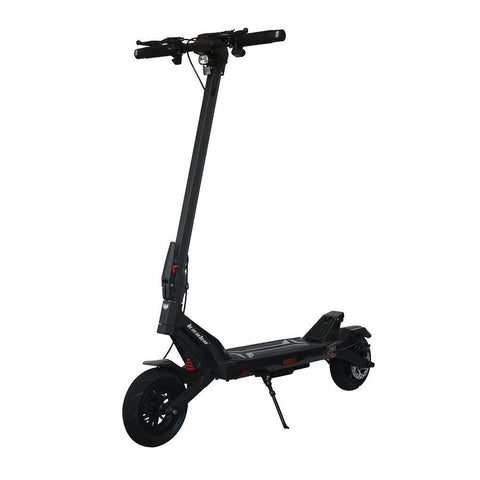

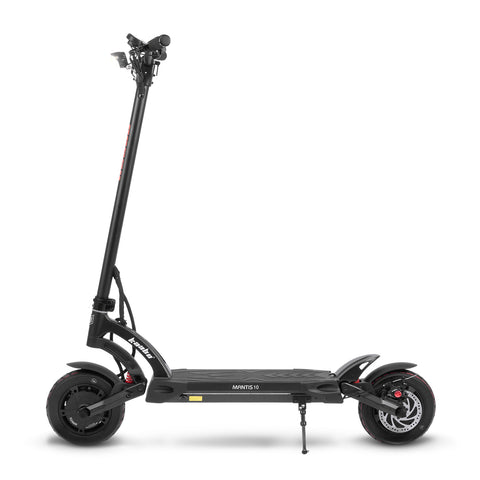


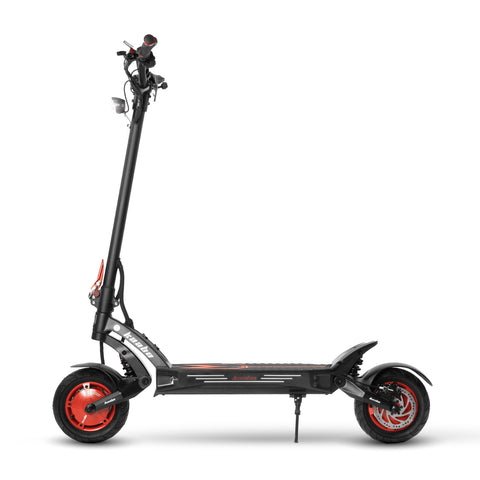
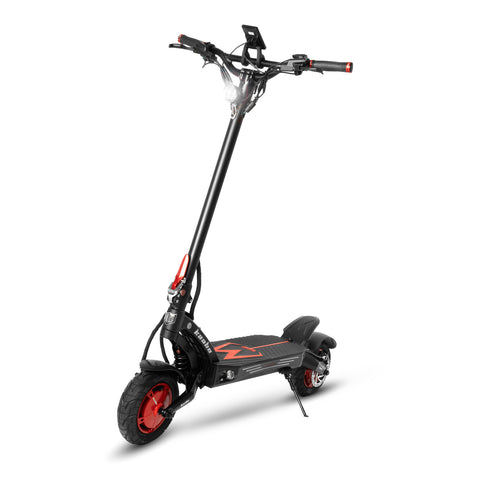
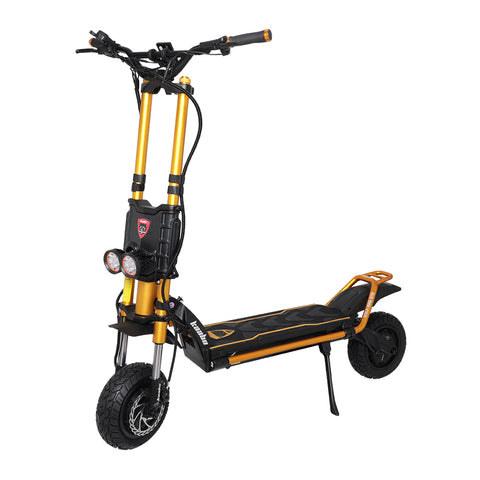
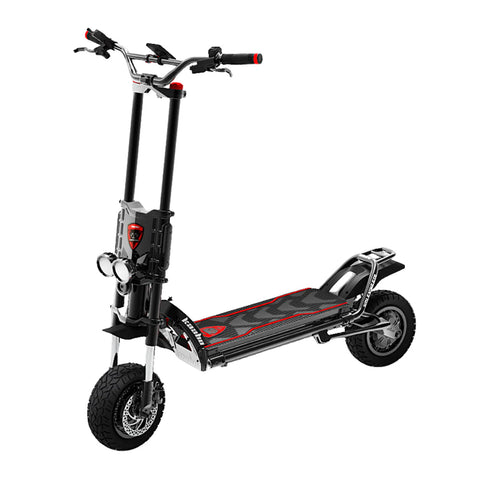
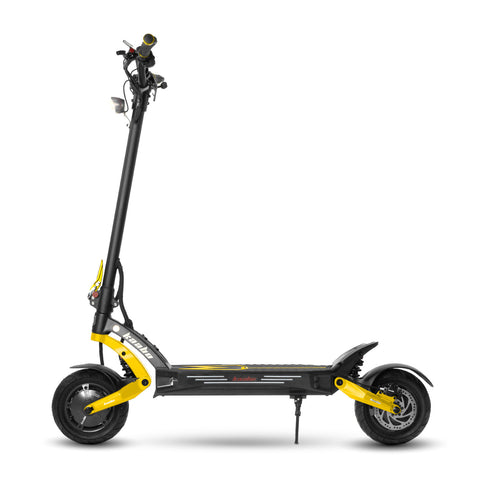
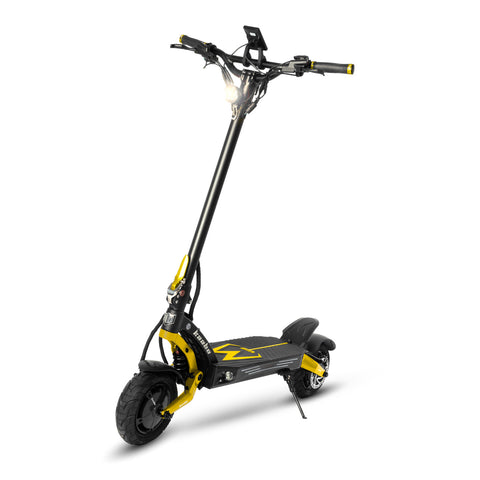





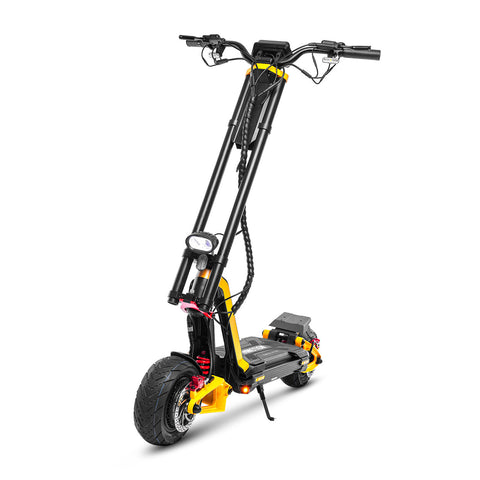


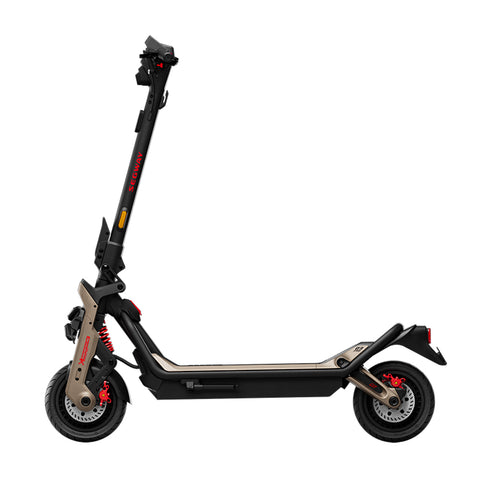
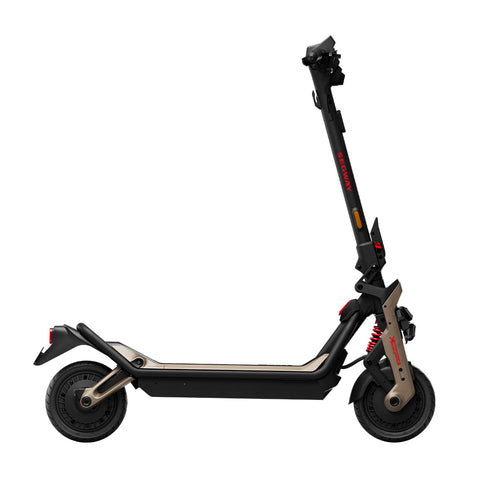

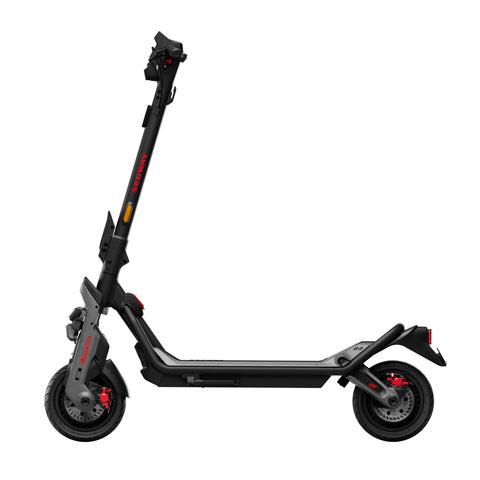
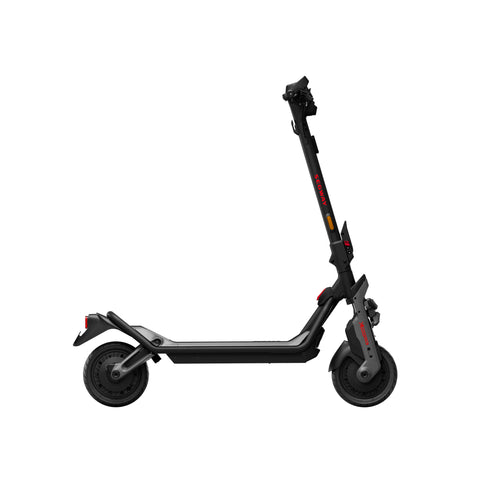


These are the fastest electric scooters we stock in Australia, built for riders who want serious motor output and range. Top speeds quoted by manufacturers are estimates measured in ideal conditions, and legal riding speeds on Australian paths sit well below what these scooters can do. Work out where you'll actually use the extra speed before you buy.1
Where you can legally ride a fast electric scooter in Australia
Private e-scooter laws differ by state and territory. Importantly, public-use rules may regulate the scooter’s maximum capability, dimensions and weight, as well as the speed at which it is ridden. Many high-performance scooters in this collection exceed the definition of a legal public-use e-scooter and may be restricted to private property or authorised riding areas. Riding one below the path speed limit does not necessarily make the scooter legal.
Always check the current source for your state (Transport for NSW, Department of Transport Victoria, Queensland Government, WA Road Safety Commission and equivalents) before you head out. Higher speeds are generally only legal on private property with the owner's permission, or on approved off-road land.
What actually makes an electric scooter fast
Speed comes from a combination of motor output, battery voltage, controller current and weight. Motor wattage is quoted as continuous and peak. Peak is the short burst you feel on acceleration. Battery voltage matters as much as watts, with 36V and 48V suiting commuters, and 60V or 72V systems powering scooters like the Kaabo Wolf King GTR for sustained speed on longer climbs.
A second motor changes the picture again. Dual motor electric scooters accelerate harder and hold speed better on hills, at the cost of extra weight and shorter range if you run both motors constantly.
Why top speed is not the whole story
Manufacturer top speed figures are measured with a light rider on flat ground, a full battery and ideal temperature. Add a heavier rider, a headwind, a gradient or a half-charged pack and the real number drops fast.
Day to day, acceleration and mid-range pull matter more than a peak figure you rarely reach. We've tested more than 150 e-scooters across the range, and we compare them on how they feel through the first few seconds of throttle, how they hold speed under load, and how confident they are at cruise. If outright top speed isn't the priority, performance electric scooters sit in the tier below and often suit most riders better.
Brakes, and what to look for on a fast scooter
Stopping distance grows with speed, so brakes are the single most important system on a fast scooter. Hydraulic disc brakes give the strongest, most consistent stopping power and the best feel at the lever. Mechanical discs are simpler to service, drum brakes need less maintenance in wet conditions, and regen adds control without replacing physical brakes.
Higher powered scooters should have dual brakes front and rear. Pads wear faster on a scooter ridden hard, so check them regularly and swap electric scooter brake parts before they start to bite unevenly or feel spongy.
Tyres and stability at speed
Tyre diameter has a big effect on how a scooter feels at speed. Ten inch and larger wheels roll over bumps more smoothly and feel more planted than smaller wheels. Pneumatic tyres absorb road surface better than solid tyres, and tubeless setups reduce the risk of a sudden flat.
Tread pattern matters on wet Australian roads, and correct tyre pressure changes both grip and rolling speed. A longer wheelbase and suspension add stability at cruise. Check your electric scooter tyres and tubes and pressures often, because speed exposes any weakness fast.
Protective gear for fast electric scooters
At the speeds these scooters reach, an open face lid isn't enough. Full face helmets protect your jaw and face in the exact type of forward fall a scooter tends to produce. Add gloves, knee and elbow protection, and high-vis or lighting for legal path riding after dark. A helmet is a legal requirement in every Australian state.
Rider weight, hills and real-world speed
Every scooter has a payload limit. Exceed it and you cut acceleration, hurt range and potentially void your warranty. A 60kg rider will feel a very different scooter to a 100kg rider on the same model. On sustained climbs, dual motors and higher voltage packs like the Kaabo Wolf King GTR Max hold speed where a single motor commuter would sag.
Range drops when you ride fast
Manufacturer range figures are measured at a low constant speed with a light rider on flat ground. Ride at full throttle and you can roughly halve that number. Wind, hills and stop-start city riding pull it down further. Plan your route with a realistic buffer, and if range matters as much as speed, larger battery super performance electric scooters hold up better at higher cruising speeds.
Servicing and wear on a fast electric scooter
Speed accelerates wear on brake pads, tyres, bearings and suspension. Book a service more often than you would on a commuter, and check torque on the folding mechanism regularly. We service scooters in store in Perth, Melbourne and Brisbane, and every new scooter comes with free assembly and a safety check. If you're not sure where yours is at, come in and talk it through with the team.
Warranty, and what modifications void it
New scooters include a 12-month limited warranty for eligible manufacturing defects, and refurbished scooters carry a three-month warranty. Wear, water damage, misuse and unauthorised repairs are excluded. Speed unlocks, firmware changes, aftermarket controllers and battery modifications may invalidate limited-warranty coverage for faults caused by or connected with those changes. They can also make the scooter unsafe or illegal to use in public. Australian Consumer Law rights may still apply where relevant. Check the full warranty terms before modifying the scooter.